
POWER 101 · LESSON 01
What Is a PDU in a Data Center?
Power Distribution Unit · How power reaches equipment inside a server rack.
Read the beginner guide →Use the real DataCenterTwin workstation to design, simulate, diagnose and prove an improvement. Ten focused labs. One open-ended 1 MW challenge.
No account. Runs in your browser. Progress stays on your device.
START HERE · BASICS
Follow the facility power story through Power 101, Network 101, and Cooling 101 to see how equipment is powered, connected, and kept within operating conditions. Published lessons open as guides; upcoming lessons have no dead links.
CHAPTER 01 · FACILITY POWER
Can the server remain powered?
Power Distribution Unit · How power reaches equipment inside a server rack.
Read the beginner guide →
How data center equipment is organized.
Read the beginner guide →
The computing machine inside the rack.
Read the beginner guide →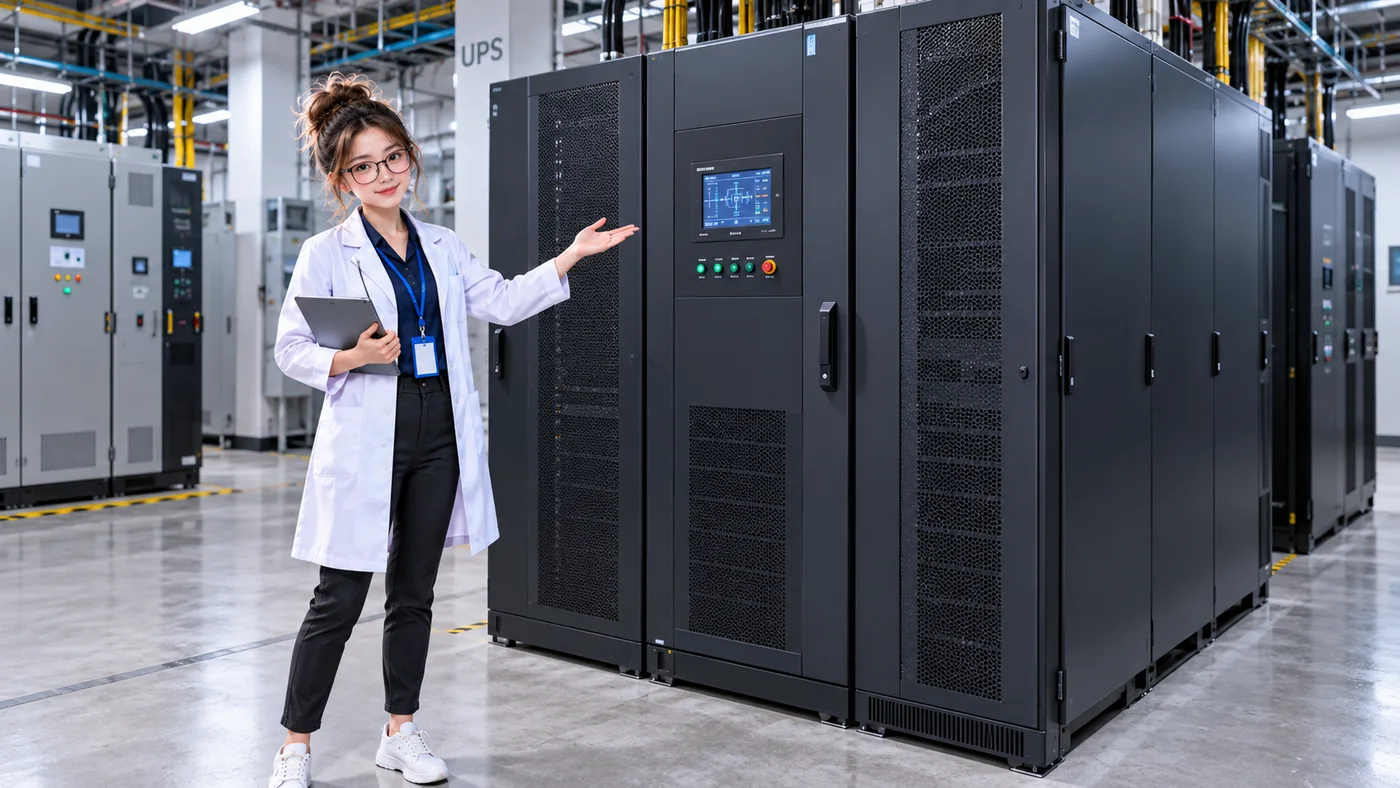
Keeping protected loads supplied through power interruptions.
Read the beginner guide →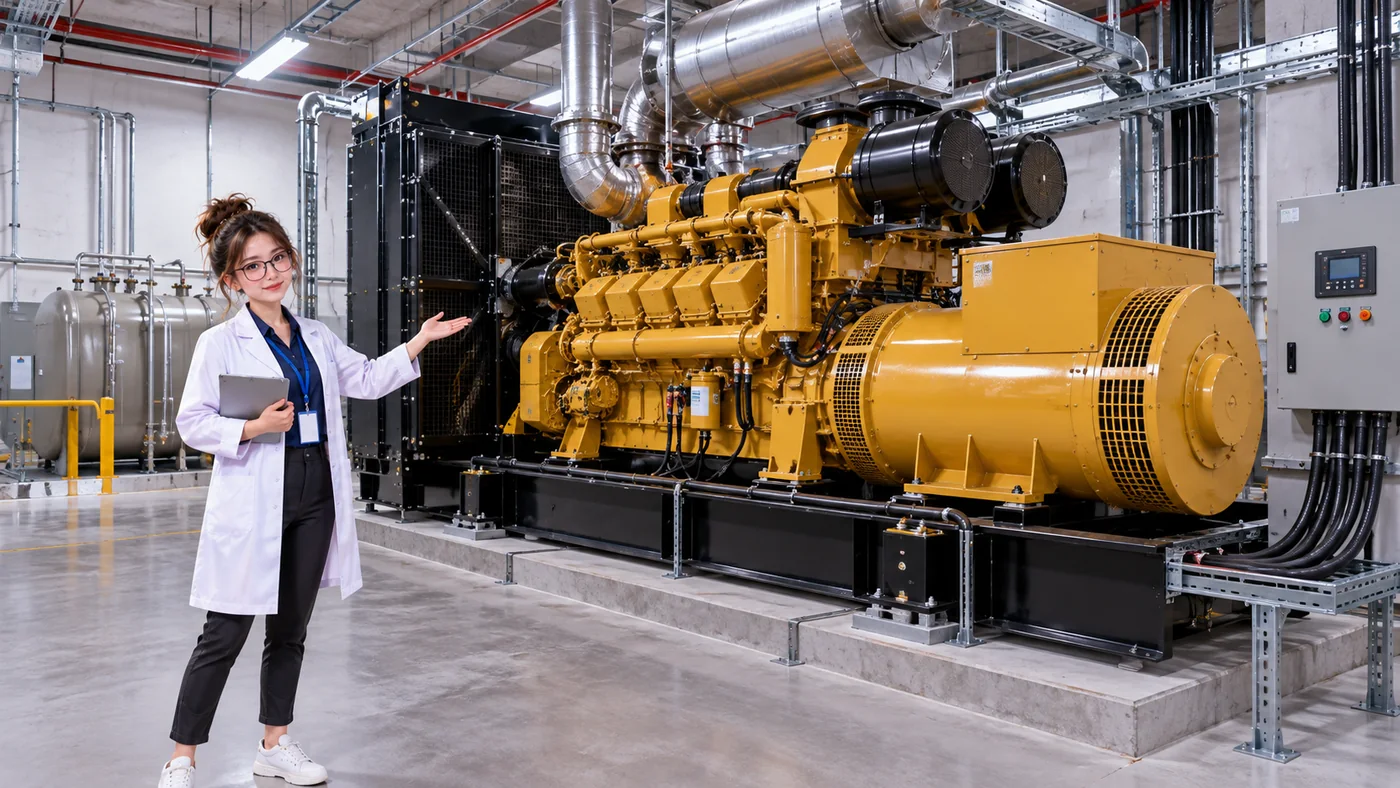
Alternative power for longer utility outages.
Read the beginner guide →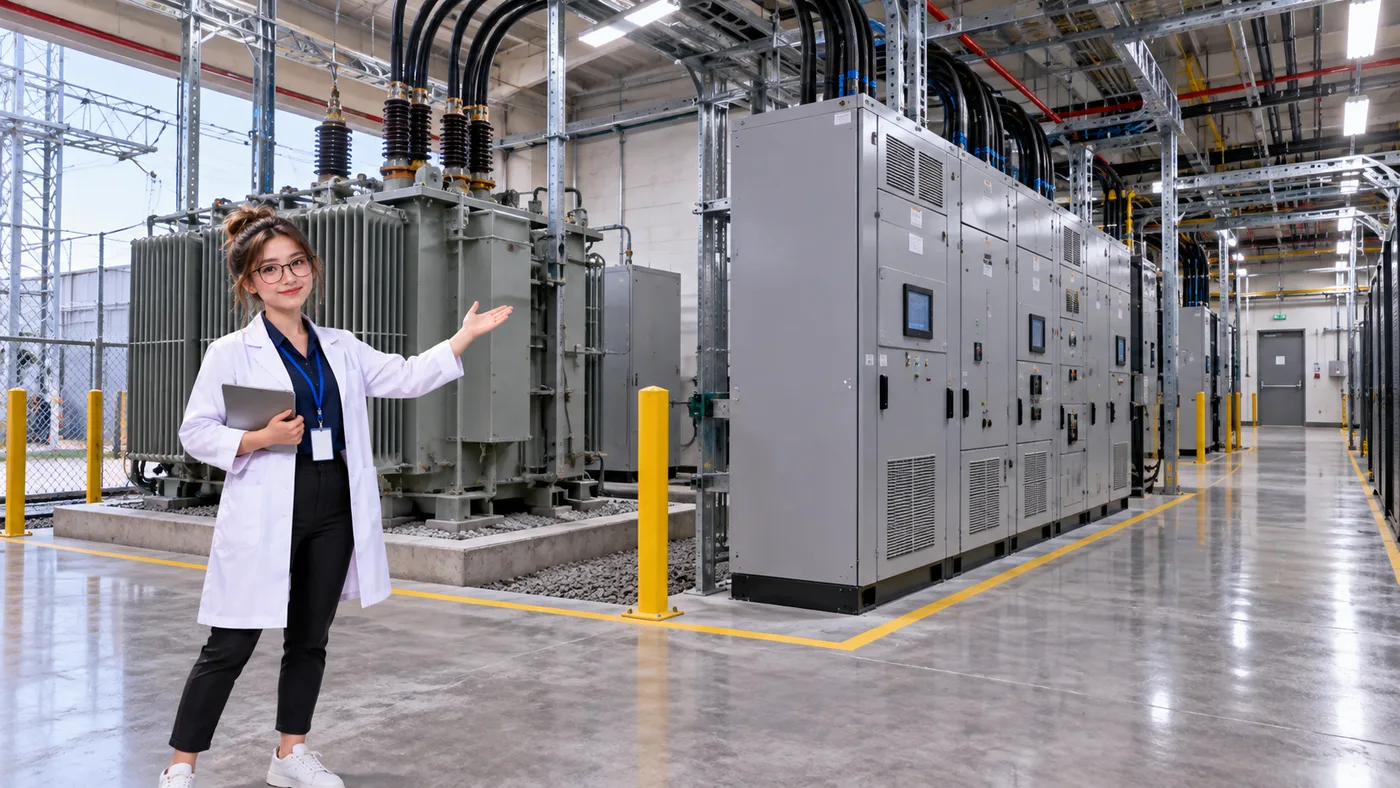
Where facility power enters, is protected, and distributed.
Read the beginner guide →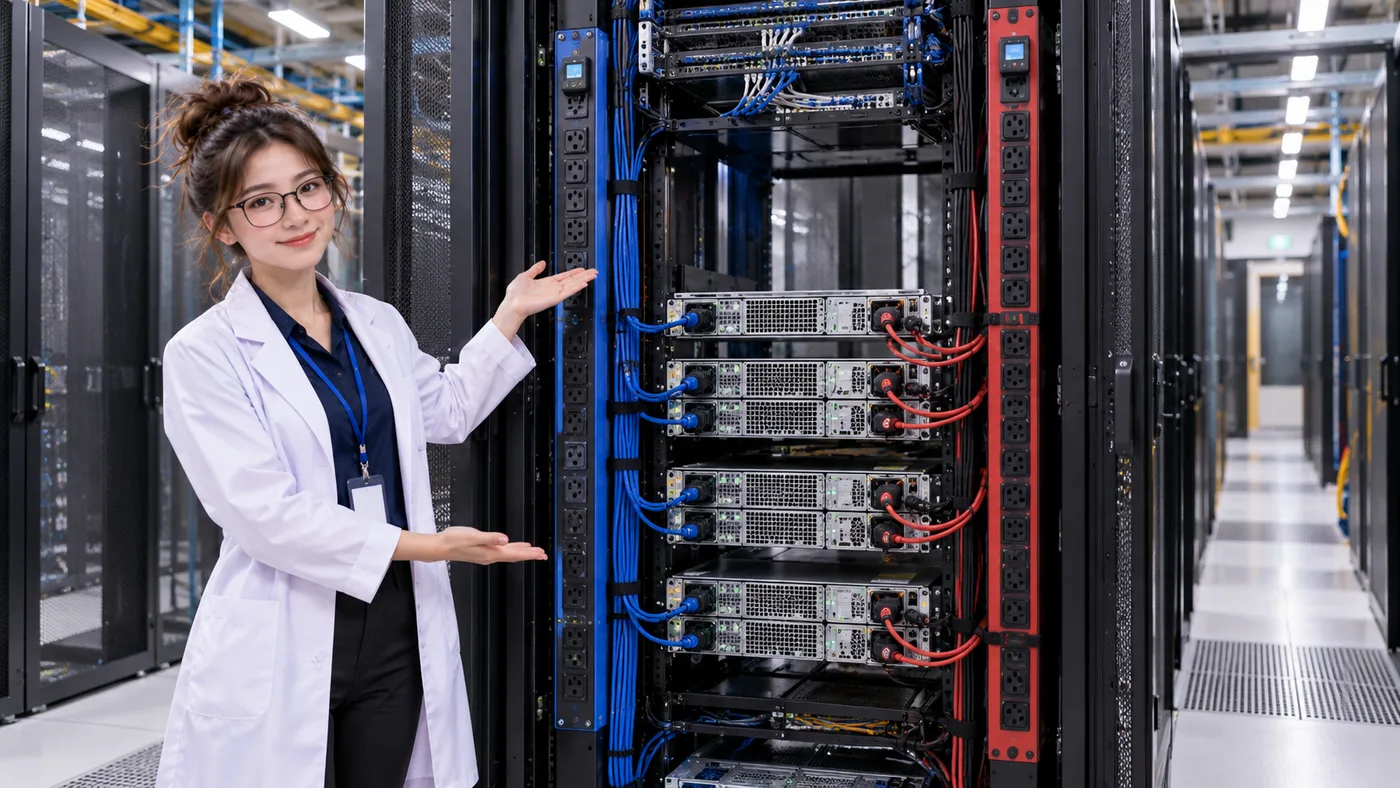
How independent power paths keep services running through failures.
Read the beginner guide →CHAPTER 02 · CONNECTIVITY · COMPLETE
Can the server communicate?
NETWORK 101 COMPLETE · ALL 5 LESSONS PUBLISHED
Network Switch · What connects servers to each other and the wider network.
Read the beginner guide →
How servers physically connect to the network.
Read the beginner guide →
How a rack connects into the wider network.
Read the beginner guide →
How rack networks connect into a scalable fabric.
Read the beginner guide →
How alternate network paths survive failures and keep services reachable.
Read the beginner guide →CHAPTER 03 · THERMAL BASICS
How do cooling paths survive failures and expose hidden shared dependencies?
COOLING 101 COMPLETE · ALL 8 LESSONS PUBLISHED
How data-center cooling moves heat away from IT equipment.
Read the beginner guide →
How rack orientation controls airflow and reduces unwanted mixing.
Read the beginner guide →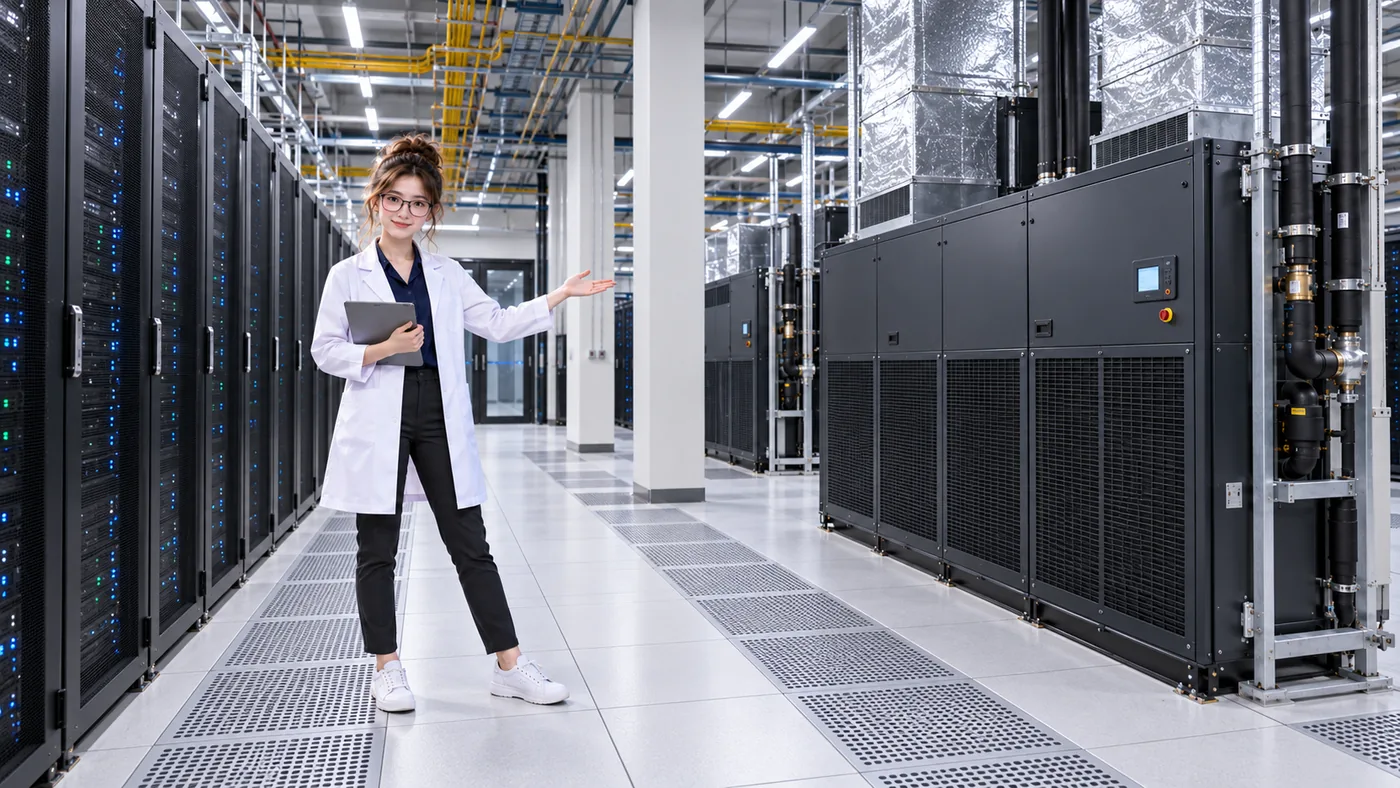
How cooling units remove heat from return air.
Read the beginner guide →
How supply and return air stay separated.
Read the beginner guide →
How IT heat load, surviving capacity, and local delivery shape resilience.
Read the beginner guide →
How liquid removes heat close to high-power chips.
Read the beginner guide →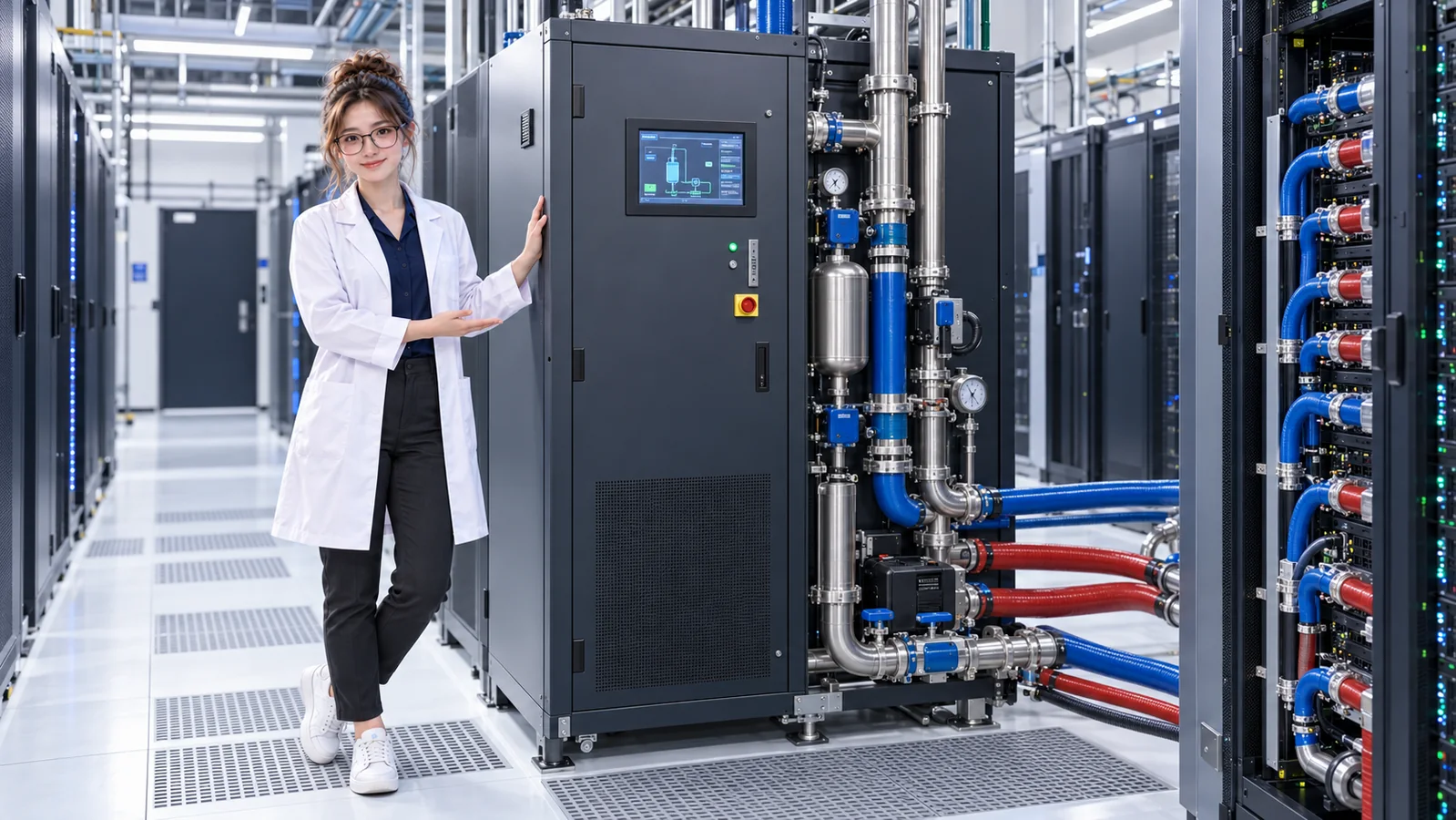
How rack coolant connects to facility heat removal.
Read the beginner guide →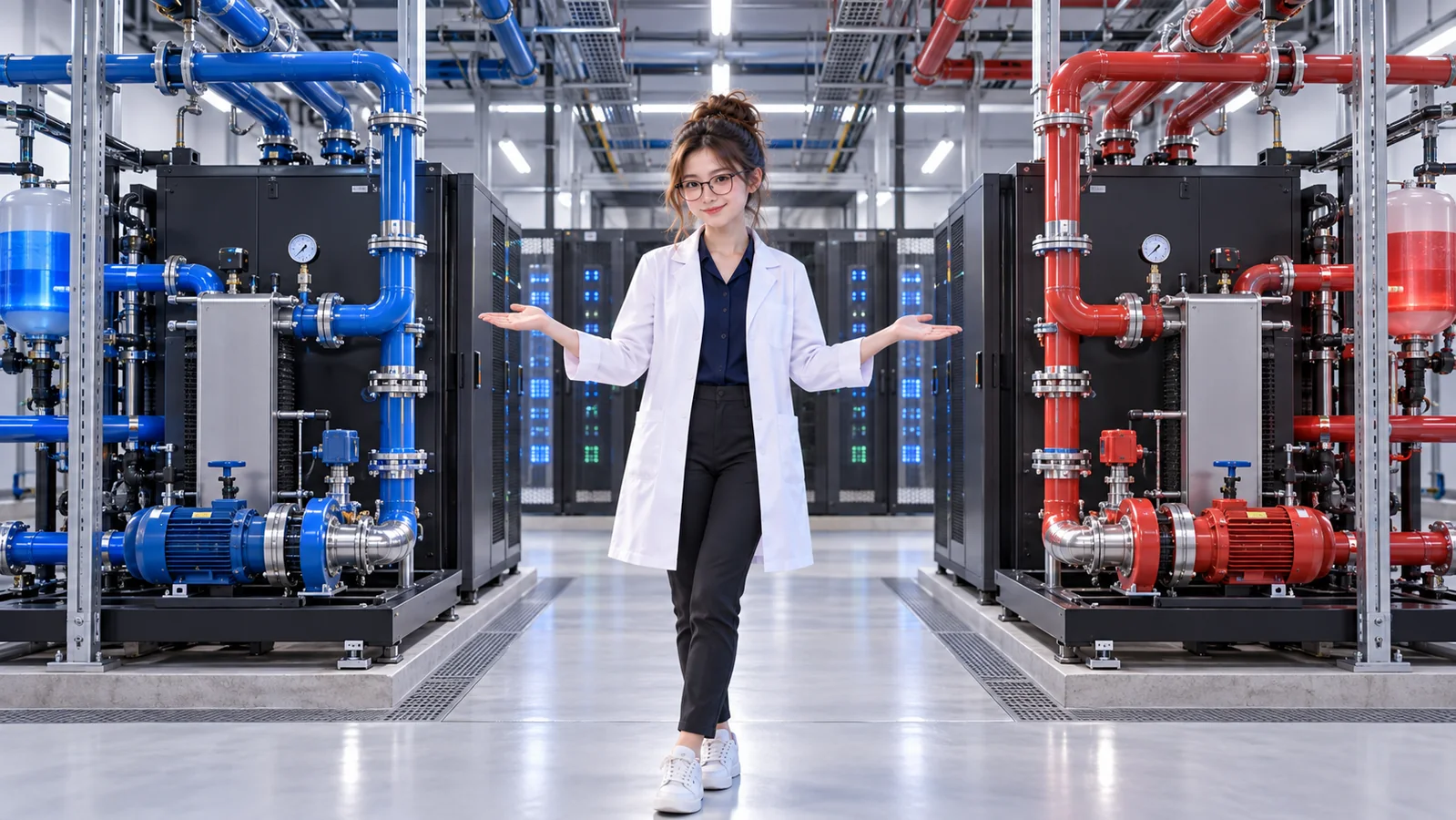
How surviving paths, capacity, and shared dependencies shape cooling resilience.
Read the beginner guide →Build a powered, cooled four-rack facility from an empty room.
Keep the original rack online when UPS-A fails. Build two independent paths with adequate headroom.
Suggested prerequisites: Build Your First Data Center. Use Skip prerequisites to enter directly.
Enter directly ↗Identify the shared upstream component, then repair the false redundancy.
Suggested prerequisites: A/B Power Redundancy. Use Skip prerequisites to enter directly.
Enter directly ↗Bridge a utility outage with battery energy, transfer to the generator within 25 seconds, and retain at least 20% SOC.
Suggested prerequisites: Find the Hidden Single Point of Failure. Use Skip prerequisites to enter directly.
Enter directly ↗Repair insufficient airflow and reduce the worst inlet temperature without reducing the original IT load.
Suggested prerequisites: Find the Hidden Single Point of Failure. Use Skip prerequisites to enter directly.
Enter directly ↗Deploy at least 120 kW of AI equipment in rack-1 and supply an effective hybrid liquid/air cooling path.
Suggested prerequisites: Find the Hidden Single Point of Failure. Use Skip prerequisites to enter directly.
Enter directly ↗Run the AI rack from 30% to 100% workload and maintain the required thermal and service limits.
Suggested prerequisites: AI Rack & Liquid Cooling. Use Skip prerequisites to enter directly.
Enter directly ↗Observe CDU-A loss, identify the initiating fault, then restore heat rejection and prove recovery from 90 s onward.
Suggested prerequisites: AI Rack & Liquid Cooling. Use Skip prerequisites to enter directly.
Enter directly ↗Make the critical rack survive each required UPS/PDU loss using sustainable supply, and establish the matching Design Intent.
Suggested prerequisites: Find the Hidden Single Point of Failure; Air Cooling & Hot/Cold Aisles. Use Skip prerequisites to enter directly.
Enter directly ↗Observe the initial distribution weakness, author a meaningful commissioning test, repair the design, and rerun the required Red Team family.
Suggested prerequisites: N-1 Resilience; UPS Battery & Generator Failover. Use Skip prerequisites to enter directly.
Enter directly ↗Start empty. Deliver at least 1 MW installed and served IT capacity at full workload. Choose your own air or hybrid architecture and prove the defined requirements.
Suggested prerequisites: N-1 Resilience; Digital Commissioning & Red Team; AI Workload Ramp. Use Skip prerequisites to enter directly.
Enter directly ↗Progress and lab models stay in this browser. Clearing browser storage removes them. Historical completion does not certify a later edited design. No account, grading service or GPU required.